Accounting software for small businesses is a solution that helps them manage their accounting needs. This software monitors income, expenses, and taxes all in one place. Business owners can save time on spreadsheets by automating daily accounting tasks and concentrate on growing their business.
If you are a small business and want to lead in your sector, you must have good financial management. The U.S. Small Business Administration reports that U.S. businesses are composed of 99.9% small businesses. This is why it is important that millions of companies are able to manage their finances efficiently.
The right accounting system provides owners with a clear view of the money. It assists them in understanding the profits, managing their expenses, and making decisions. Accounting software for small businesses is no longer a choice, it is now a necessary part of a small company wishing to run efficiently.
What is Accounting Software for Small Businesses?
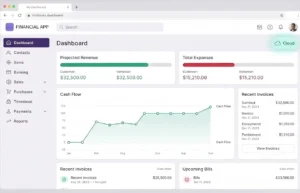
Accounting software is a digital tool that helps companies manage financial activities easily. This tool records transactions, monitors expenses, and generates invoices and reports. As the number of customers, transactions, payments, and expenses increases, the chances of errors also increase with a growing business. These problems are solved since everything is gathered in a single system, with accounting software.
With a bank account integration, business owners can connect their bank accounts, track their expenses, and view financial reports without manual calculations. People opt for online accounting software as it can be accessed from anywhere. A computer or mobile device can be used to view financial information by the owner and/or accountant. The flexibility brings in benefits to businesses, as they can manage finances even if they have remote working teams.
7 Best Accounting Software for Small Businesses
The right accounting software makes managing finances easy. Here are the effective accounting software used by small business owners in the USA:
1. QuickBooks Online
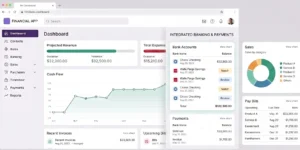
This is one of the leading accounting software used by many small businesses. This software has bookkeeping, invoicing, payroll, expense management, and tax management features. Its user-friendly dashboard and great reports make it a very reliable tool.
2. Xero
Xero is a cloud-based accounting software designed for fast-growing small businesses. This software offers an unlimited number of users, bank reconciliation, inventory management, and integration features. It is the best tool for businesses that are working very closely with accountants.
3. FreshBooks
It is best suited for freelancers and service-based small businesses. FreshBooks has easy invoicing, billable hours management, expense management, and acceptance of online payments features.
4. Zoho Books
Zoho Books can help automate everyday accounting activities and ensure the maintenance of your financial documentation. This software has invoicing, inventory management, tax management features, and integrates seamlessly with other Zoho software.
5. Wave Accounting
Wave Accounting is an excellent choice for startups and small businesses that need accounting software. The software comes with such basic functions as bookkeeping, invoicing, expenses, and financial reporting.
6. Sage 50 Accounting
Sage 50 Accounting is recommended for businesses that have more advanced needs in accounting. This application offers features like inventory management, budgeting, payroll, and detailed financial reports to make better decisions.
7. Oracle NetSuite
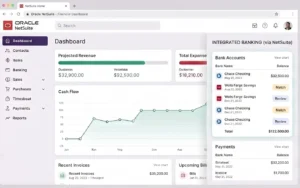
Oracle NetSuite is designed for those businesses that plan to grow for a long period. This application integrates accounting, inventory management, financial reporting, and ERP functions.
Why Every Small Business Needs Accounting Software?
For every business that is growing, it is vital to have accounting software for small businesses, since finances are critical to their success. It can assist the owner with money tracking, prevent errors, help with cash flow, and make better decisions. Manual accounting is minimized, and businesses gain control of their financial activities with automated accounting.
There are many small businesses that begin their operations with spreadsheets because they are easy to use. But spreadsheets are not helpful when the number of business transactions grows. It takes time and adds to the manual effort, with the risk of error, to follow up on hundreds of payments, expenses, and invoices.
If there is no financial information, owners won’t know their business’s true performance. Financial software gives an overall financial overview, it displays the sources of financing, their destinations, and the business’s performance. This data informs owners to make favourable planning choices and reduces financial issues.
Common Financial Challenges Small Businesses Face
Let’s explore the problems small businesses can face without small business accounting software:
Manual Accounting Leads to Errors
Manual bookkeeping can create the risk of wrong entries, missing entries, and other issues. Minor inaccuracies can have an impact on financial statements and tax filings. Accounting software automatically documents information and helps to eliminate human error.
Cash Flow Becomes Difficult to Manage
Cash flow is crucial to a business’s operations. Owners must understand the inflow and outflow of money. Businesses can keep track of cash flow with updated details in accounting software.
The Invoice-Tracking Process is Time-Consuming
Late customer payments can lead to cash flow problems. Manual invoice processing requires a lot of chasing up. Accounting tools take care of the invoice generation and reminders in order to get quicker payments.
Tax Preparation Becomes Stressful
Tax season can be difficult for many businesses due to poorly maintained records. Financial data is maintained in a constantly updated format in accounting software. This will smooth the tax filing process and avoid the last-minute hassle.
Did You Know?
The Internal Revenue Service advises businesses to keep proper accounting of financial information for accurate tax reporting and compliance.
Benefits of Using The Best Accounting Automation Software
Small business accounting software offers a range of advantages, like reducing routine accounting tasks and providing valuable financial information. Here are the benefits of accounting software:
Automates to Save Time
There are many manual tasks that are reduced from routine activities with accounting software. It can automatically record transactions, make invoices, manage expenses, and generate reports. This will save the business owner’s valuable time each month to concentrate on their customers, marketing, and growing their business.
Improves Financial Accuracy
Good books and records allow businesses to gain a better understanding of their true financial position. Manual calculations can introduce errors, impacting business decisions. Owners can rely on their reports and make decisions on reliable data provided by accounting software.
Helps Manage Cash Flow
Accounting software is a tool for keeping track of receipts, payments, unpaid bills, and future payments. Businesses can use this data to make better decisions about managing their money and get ready for future costs.
Enables Easier Collaboration of Teams
Cloud-based accounting tools are able to provide access to the latest financial information for multiple users. Owners, accountants, and employees can collaborate without sharing obsolete files. This creates better communication and make sure that everyone is on the same page.
Protects Business Data
Financial records have confidential information. The best accounting automation software protect data with safe storage, backups, and user access restrictions. This minimises the chances of any crucial financial information being lost.
Conclusion
Accounting software for small businesses offers firms improved financial management. This software smooths bookkeeping, minimizes errors, eases cash flow management, and saves time. Keeping the financial information accurate helps owners make better decisions and build successful businesses.
Businesses should consider online accounting software that can support them in creating a reliable financial system. Accounting software offers the essential assistance to run finances with efficiency and secure long-term development.
Frequently Asked Questions on Accounting Software for Small Businesses
What is Accounting Software for Small Businesses?
Accounting Software is basically a tool that manages income, expenses, invoices, taxes, and financial reports people always need.
Why should small businesses use accounting software?
Small businesses often need speed and fewer mistakes. Accounting software is used to save time, cut down on errors, manage cash flow, and get reliable financial data.
How does online accounting software help businesses?
Online accounting software lets businesses access their financial records from anywhere. It also supports automatic updates and makes cooperation easier between owners and accountants.
What features should small business accounting software have?
Features like invoicing, expense tracking, bank integration, tax reporting, and payroll support. With financial reports and automation tools that can reduce repetitive tasks.
How can businesses select the best accounting automation software?
The best accounting automation software selection depends on how big the business is, what the budget looks like, which features are truly required, and where the company is going next.