What Is a Chart of Accounts?
 A Chart of Accounts is a structured list of financial accounts used to record business transactions. The IRS describes it as a list of accounts available for recording transactions in the general ledger:
- It gives every financial activity a specific place
- It groups accounts into clear financial categories
- Common categories include assets, liabilities, equity, revenue, and expenses
- Account names help identify the purpose of each transaction
- Subaccounts provide additional detail when necessary
- Organized accounts make financial reports easier to understand
- Businesses can customize their accounts according to their operations
- A simple structure prevents unnecessary accounting complexity
How Does a Chart of Accounts Work?
A Chart of Accounts connects individual transactions with the accounts used for bookkeeping and reporting. Each transaction enters the appropriate account before contributing to financial statements:- A customer payment increases the appropriate cash or bank account
- A supplier bill increases accounts payable
- Rent payments enter the relevant rent expense account
- Sales transactions increase the appropriate revenue account
- Account categories determine where balances appear on reports
- Account numbers provide quick identification during bookkeeping
- Financial software automatically places transactions into selected accounts
- These records eventually support reports such as the Balance Sheet and Profit and Loss statement
Chart of Accounts Structure and Categories
The basic chart of accounts structure and categories organizes financial information into five major groups. Each group serves a different reporting purpose.Assets
- Cash records money available for immediate business use
- Bank accounts track balances held at financial institutions
- Accounts receivable records amounts customers still owe
- Inventory tracks products held for sale
- Equipment includes computers, machinery, furniture, and similar business assets
Liabilities
- Accounts payable records unpaid supplier bills
- Loans track borrowed business funds
- Credit card balances show unpaid card charges
- Accrued expenses record costs incurred but not yet paid
Equity
- Owner’s equity represents the owner’s financial interest
- Retained earnings track accumulated profits kept within the business
- Owner’s draws record money withdrawn by the owner
Revenue
- Product sales record income from merchandise
- Service income tracks payments for completed services
- Other business income captures qualifying income outside primary operations
Expenses
- Rent records payments for business premises
- Payroll tracks employee compensation and related costs
- Utilities include electricity, water, phone, and internet costs
- Advertising captures promotional spending
- Insurance records business insurance premiums
Chart of Accounts Examples for Small Businesses
A simple accounting chart of accounts example depends on the company’s business model. Service companies usually need fewer accounts than retailers handling inventory and product costs. Service business example:| Account Number | Account Name | Category |
| 1010 | Checking Account | Asset |
| 1100 | Accounts Receivable | Asset |
| 2000 | Accounts Payable | Liability |
| 3000 | Owner’s Equity | Equity |
| 4000 | Service Revenue | Revenue |
| 5000 | Advertising Expense | Expense |
| 5100 | Rent Expense | Expense |
| 5200 | Payroll Expense | Expense |
| 5300 | Insurance Expense | Expense |
- Cash and bank accounts track available funds
- Accounts receivable tracks unpaid customer balances
- Inventory records products held for sale
- Sales Revenue records product income
- Cost of Goods Sold tracks product costs
- Accounts payable records supplier obligations
- Payroll and rent track operating costs
How to Create a Chart of Accounts
Learning how to create a chart of accounts starts with understanding your transactions. Build the structure around real business activities instead of copying another company’s entire list.Identify Your Business Transactions
- Review sales, purchases, payroll, loans, and operating costs
- Identify recurring payments and income sources
- Separate business transactions from personal spending
- Consider transactions expected during the coming year
Choose the Main Account Categories
- Start with assets, liabilities, equity, revenue, and expenses
- Add cost of goods sold when your business sells products
- Use categories that match your reporting requirements
- Avoid categories that provide little useful information
Create Relevant Subaccounts
- Separate major expense types when tracking them improves decisions
- Create revenue subaccounts for different service lines when useful
- Keep subaccounts limited to meaningful business needs
- Avoid creating separate accounts for minor transactions
Assign Account Numbers
- Give each account a consistent identification number
- Use number ranges for different financial categories
- Leave gaps between numbers for future additions
- Maintain the same numbering approach across your records
Review and Test the Structure
- Check whether every common transaction has a suitable account
- Test several sample transactions before regular bookkeeping begins
- Confirm reports display balances in the correct categories
- Remove duplicate or confusing accounts
How to Set Up a Chart of Accounts for Bookkeeping
A practical chart of accounts for bookkeeping should match your daily records and reporting needs. Start small, then expand only when additional detail provides clear value:- Create essential accounts before adding specialized categories
- Match account names with familiar business terms
- Keep similar transactions within related account groups
- Connect accounts with your accounting software
- Review default accounts before accepting them
- Remove unused accounts when appropriate
- Maintain separate business accounts for cleaner records
- Keep documentation for unusual or specialized accounts
How to Organize a Chart of Accounts
Good organization makes financial information easier to locate and review. A logical structure also reduces classification mistakes during routine bookkeeping:- Group accounts according to their financial category
- Place similar accounts together
- Use consistent naming throughout the system
- Avoid different names for the same financial purpose
- Remove duplicate accounts after confirming their balances
- Keep inactive accounts separate when software permits
- Review the structure when business operations change
- Preserve historical records when modifying account structures
How Account Numbers Work in Accounting
Account numbers provide a simple identification system for financial accounts. Businesses commonly assign number ranges to categories for faster bookkeeping and easier navigation:- 1000–1999 commonly represents asset accounts
- 2000–2999 commonly represents liability accounts
- 3000–3999 commonly represents equity accounts
- 4000–4999 commonly represents revenue accounts
- 5000–5999 commonly represents cost and expense accounts
- A business can customize these ranges for its needs
- Consistent numbering makes accounts easier to locate
- Numbering should remain logical as new accounts are added
Chart of Accounts Best Practices
Strong chart of accounts best practices focus on clarity, consistency, and useful financial information. A well-designed system should support decisions without overwhelming the bookkeeping process:- Keep the account structure simple and practical
- Create accounts only when they serve a clear purpose
- Use consistent names across financial records
- Avoid excessive subaccounts
- Review accounts periodically for accuracy
- Archive inactive accounts instead of creating duplicates
- Maintain accurate transaction classifications
- Adjust the structure as business operations expand
- Ask an accountant before making major structural changes
Chart of Accounts vs General Ledger
The Chart of Accounts provides the account list, while the general ledger records transactions against those accounts. They work together but serve different purposes.| Comparison Point | Chart of Accounts | General Ledger |
| Purpose | Organizes available accounts | Records account transactions |
| Content | Account names and categories | Dates, amounts, descriptions, and balances |
| Transaction details | Does not contain individual entries | Contains individual financial entries |
| Reporting role | Provides account structure | Supplies transaction data for reports |
| Bookkeeping relationship | Defines where transactions belong | Records transactions in those locations |
Why a Chart of Accounts Matters for Small Businesses
Small businesses need reliable financial records to understand performance and manage resources. The right account structure makes routine bookkeeping more accurate and useful:- Improves bookkeeping accuracy by creating consistent classifications
- Makes financial reports easier to read and review
- Supports clearer expense tracking
- Helps organize records needed for tax preparation
- Simplifies financial reviews with organized account balances
- Helps owners understand revenue and spending patterns
- Supports better budgeting and planning
- Provides a foundation for business growth
Common Chart of Accounts Mistakes to Avoid
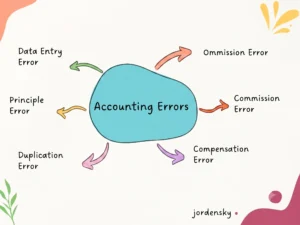 Poor account design can make bookkeeping harder and reports less useful. Avoiding common errors keeps financial information consistent and easier to manage:
- Creating too many accounts for minor transactions
- Using unclear or overly broad account names
- Mixing personal and business expenses
- Assigning inconsistent account numbers
- Creating duplicate accounts for identical purposes
- Ignoring regular account reviews
- Keeping obsolete accounts active without a reason
- Changing account names without reviewing historical reporting
- Adding categories without considering their reporting impact
