Year-end tax planning helps taxpayers prepare and organize their financial activities before the end of the tax year. December 31 plays an important role in deductions, retirement contributions, investment actions, and donations. This gives you enough time to analyze your income, calculate your taxes, and make any eligible transactions. An effective strategy can help you improve your tax situation and make better financial decisions.
What is Year-End Tax Planning?
Year-end tax planning means reviewing your income, expenses, investments, benefits, and deductions before December 31. This process includes all the actions that you can take to influence your current or future tax liabilities. Preparing your tax return takes place after the year ends, while planning means taking some additional actions that you can do. December 31 is important as most of the tax actions need to be completed prior to the end of the calendar year.
10 Year-End Tax Moves to Consider
These year-end tax strategies can help you find opportunities before the tax year ends.
1. Review Your Annual Income
- Estimate your final taxable income
- Review bonuses, commissions, and investment gains
- Compare earnings with previous tax years
- Identify changes affecting your tax bracket
2. Maximize Retirement Contributions
- Review your 401(k) contributions
- Check whether employer matching remains available
- Increase eligible payroll contributions before year-end
- Review applicable catch-up contribution opportunities
3. Review HSA and FSA Accounts
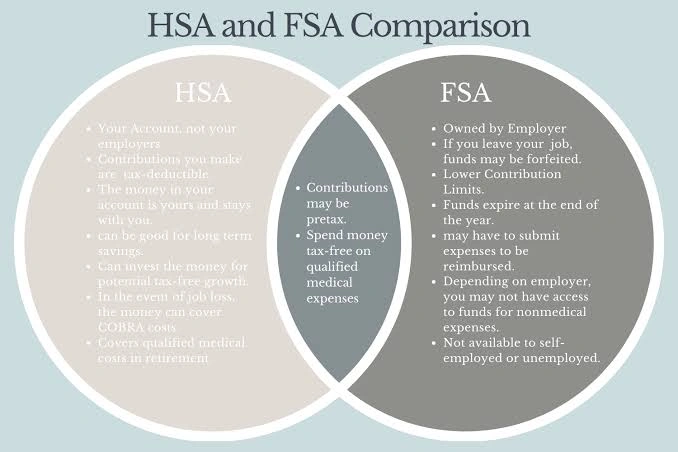
- Check your HSA contribution progress
- Review eligible FSA expenses
- Understand your employer’s carryover rules
- Confirm remaining benefit balances
4. Consider Tax-Loss Harvesting
- Review investments showing unrealized losses
- Match eligible losses against capital gains
- Consider your overall investment strategy
- Watch the 30-day wash-sale restriction
5. Make Charitable Contributions
- Plan donations to eligible organizations
- Verify the charity before contributing
- Keep receipts and payment records
- Obtain required written acknowledgments
6. Review Available Tax Deductions
- Identify deductions available to you
- Gather documents supporting each expense
- Review qualifying business costs
- Compare itemized and standard deduction options
7. Evaluate Income Timing
- Review expected year-end income
- Consider legitimate income deferral options
- Evaluate expected future tax brackets
- Coordinate timing with financial goals
8. Review Business Expenses
- Identify necessary business purchases
- Review qualifying operating expenses
- Organize invoices and receipts
- Confirm when assets enter service
9. Check Estimated Tax Payments
- Compare payments with expected tax liability
- Review possible underpayment exposure
- Check federal payment requirements
- Review applicable state payment rules
10. Review Estate and Gift Planning
- Review annual gifting plans
- Confirm beneficiary designations
- Check applicable gift tax rules
- Update estate documents when necessary
Year-End Tax Strategies for Small Businesses
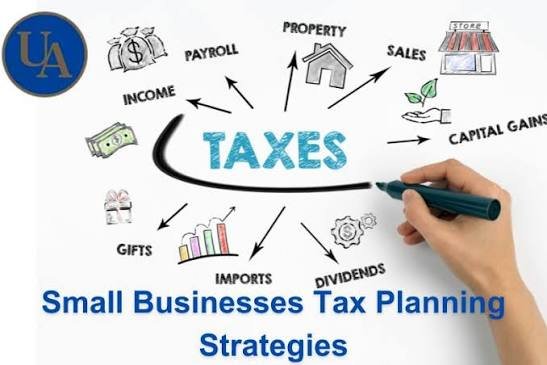
Business owners should focus on legitimate financial needs rather than buying items solely for deductions.
Review Business Finances
- Estimate annual business income
- Review outstanding customer invoices
- Identify unpaid business expenses
- Compare current results with prior years
Plan Business Purchases
- Identify equipment the business genuinely needs
- Review qualifying property before purchasing
- Check current Section 179 requirements
- Confirm assets are placed in service
Review Payroll and Benefits
- Confirm employee payroll information
- Review planned employee bonuses
- Check retirement plan contributions
- Verify year-end benefit records
Year-End Tax Deductions to Review
Do not create expenses simply to receive a deduction. A deduction reduces taxable income, but it does not make unnecessary spending financially beneficial.
Common Deduction Areas
- Charitable contributions
- Mortgage interest
- Eligible medical expenses
- State and local taxes
- Qualified business expenses
- Eligible retirement contributions
Year-End Tax Preparation Checklist
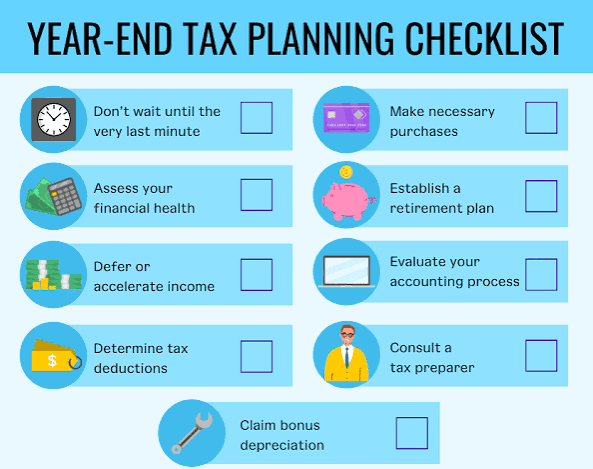
A complete year-end tax checklist helps you organize records before filing season begins.
Documents to Gather
- W-2 and 1099 forms
- Investment account statements
- Retirement account records
- Charitable donation receipts
- Business expense records
- Mortgage and property documents
- Estimated tax payment confirmations
Common Year-End Tax Planning Mistakes
Mistakes to Avoid
- Waiting until December 31
- Buying unnecessary items for deductions
- Ignoring state tax requirements
- Missing contribution deadlines
- Overlooking investment gains
- Using outdated tax limits
- Losing supporting financial records
Conclusion
Year-end tax planning is important to gain some more control before the end of the year. Income, retirement plans, investments, deductions, charitable contributions, and estimated taxes must be considered early. Businesses need to think about expenses, equipment, payroll, and benefit plans as well. It is good to know the latest tax restrictions since federal tax laws tend to vary from year to year. Accounting Assist Pro can also provide professional assistance with QuickBooks and accounting-related needs during year-end tax planning.
FAQs About Year-End Tax Planning
1. What is year-end tax planning?
It is the process of reviewing finances before year-end. It helps identify legitimate ways to manage taxable income, deductions, contributions, and investments.
2. Why is December 31 important for taxes?
Many tax events must occur during the calendar year. December 31 can therefore serve as an important deadline for qualifying transactions.
3. What should I include in my year-end tax planning?
Review income, retirement contributions, investments, charitable gifts, deductions, business expenses, and estimated tax payments.
4. Can I reduce my taxes by increasing 401(k) contributions?
Eligible 401(k) contributions can reduce taxable wages for traditional plans. Check your remaining contribution capacity and employer plan rules.
5. What is tax-loss harvesting?
Tax-loss harvesting involves selling eligible investments at losses. Those losses may help offset applicable capital gains.
6. Does every charitable donation qualify for a deduction?
No. The recipient generally must be a qualified organization. Proper records are also required to support the deduction.
7. What are common tax-saving strategies for small businesses?
Common options include reviewing eligible expenses, retirement contributions, equipment purchases, and timing decisions. Eligibility depends on current tax rules.
8. Should I buy equipment before December 31?
Only buy equipment when your business needs it. Qualifying property may receive favorable treatment under current depreciation or Section 179 rules.
9. Can I deduct medical expenses at tax time?
Certain eligible medical expenses may qualify when taxpayers meet applicable requirements. Itemization and income thresholds can affect eligibility.
10. When should I review estimated tax payments?
Review them before year-end when income changes significantly. Compare payments against projected federal and state tax obligations.
