Accurate bookkeeping allows business owners to monitor cash flow, control expenses, prepare taxes, and make confident decisions about finances. Bookkeeping clean up services fix outdated books and make sure organized financial information for businesses. Many owners run sales, payroll, client service, and other activities, putting aside the books until too late. Eventually, missed transactions, unbalanced accounts, duplications, and inaccurate categorizations can cause numerous problems. A proper cleanup allows an owner to restore order without reconstructing all the records from scratch.
What Are Bookkeeping Clean Up Services?
Bookkeeping clean up services examine previous financial records, fix mistakes and inaccuracies, organize transactions, and make businesses’ books accurate. The main aspects of clean up services are accuracy, consistency, documentation, and effective financial reports.
What the Cleanup Process Usually Covers
- Reviewing historical transactions for missing, duplicate, or unusual entries
- Matching bank and credit card activity with recorded transactions
- Correcting incorrectly categorized income and expenses
- Identifying unreconciled accounts and resolving outstanding differences
- Reviewing accounts receivable and accounts payable balances
- Checking opening balances for accuracy
- Removing duplicate transactions without deleting legitimate business activity
- Reviewing transfers between business accounts
- Checking payroll-related entries and liability balances
- Reviewing sales tax transactions when applicable
- Examining fixed asset records and related transactions
- Organizing supporting documents for important entries
- Preparing corrected financial statements after the cleanup
- Establishing consistent bookkeeping practices for future periods
Why Do Businesses Need Bookkeeping Cleanup?
Cleanup creates a dependable financial foundation before tax preparation, reporting, financing, or continued bookkeeping.
Common Reasons Books Become Disorganized
- Business owners record transactions inconsistently during busy periods
- Previous bookkeeping providers leave unfinished reconciliation work
- Personal and business transactions become mixed together
- Bank feeds create duplicate or incorrectly classified transactions
- Receipts and invoices remain undocumented
- Old accounts stay open after business needs change
- Payroll entries do not match payroll reports
- Credit card accounts remain unreconciled
- Businesses change accounting software without properly reviewing historical data
- Owners enter transactions without understanding the correct account category
- Rapid business growth creates more transactions than existing processes can handle
- Long periods pass without regular account reviews
Problems Caused by Unclean Books
- Financial reports may show misleading results
- Profit figures can appear higher or lower than reality
- Cash balances may not match actual bank balances
- Outstanding customer balances can become difficult to track
- Vendor liabilities may remain inaccurate
- Tax preparation can require additional review
- Business owners may make decisions using unreliable numbers
- Lenders or investors may question inconsistent financial statements
- Unresolved errors can become harder to identify later
What Does a Bookkeeping Cleanup Include?
A professional cleanup examines financial activity from the selected starting date through the current period. Each account receives focused attention based on its transaction history and risk of error.
Bank Account Reconciliation
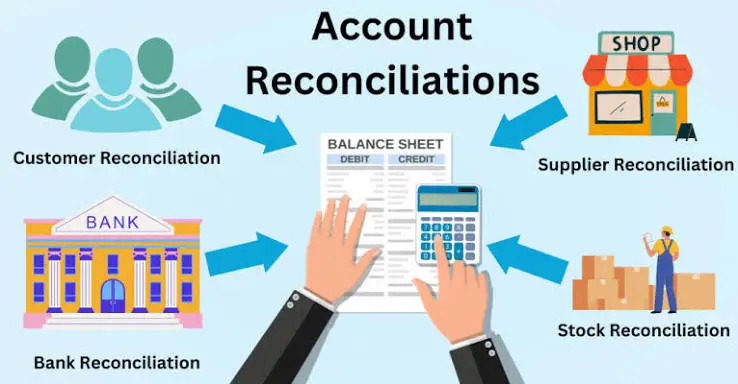
- Compare recorded transactions against monthly bank statements
- Identify missing deposits and withdrawals
- Locate duplicate entries
- Investigate unexplained differences
- Confirm the ending balance for each period
- Resolve old unreconciled transactions when documentation supports correction
Credit Card Reconciliation

- Match credit card statements with accounting records
- Identify missing purchases and payments
- Correct duplicate charges
- Review unusual transactions
- Confirm card balances
- Separate business charges from personal activity
Income and Expense Review
- Check revenue entries against invoices and deposits
- Review expense categories for incorrect classifications
- Identify transactions posted to generic accounts
- Separate personal expenses from business costs
- Review unusually large transactions
- Confirm recurring expenses are recorded consistently
Accounts Receivable and Payable
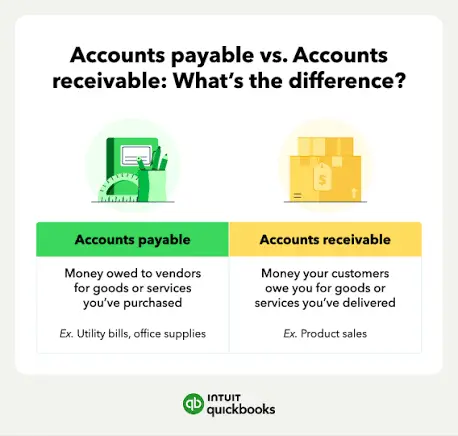
- Review unpaid customer invoices
- Identify old balances requiring clarification
- Match vendor bills with recorded payments
- Investigate negative or unusual balances
- Correct payment applications when documentation supports changes
- Prepare cleaner aging information for management review
Financial Statement Review
- Compare the profit and loss statement with supporting transactions
- Review balance sheet accounts for unusual balances
- Check retained earnings and equity activity
- Review loans and liability accounts
- Confirm major asset balances
- Identify accounts requiring additional documentation
When Should You Hire Bookkeeping Clean Up Services?
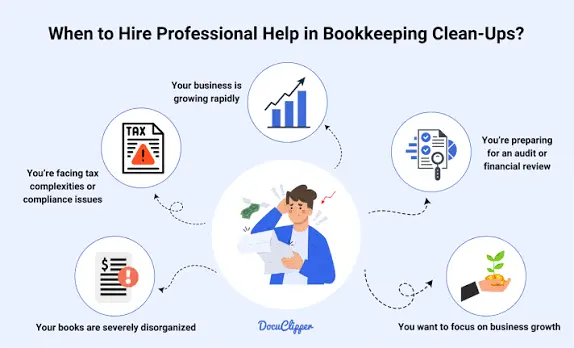
Businesses should consider cleanup when financial records no longer provide dependable information. Delaying the review can allow small discrepancies to spread across multiple accounting periods.
Signs Your Business Needs a Cleanup
- Bank reconciliations remain incomplete for several months
- Your balance sheet contains unexplained balances
- Profit reports do not match your expectations
- Your accountant repeatedly requests transaction details
- Tax preparation takes longer because records need extensive review
- Customer balances appear incorrect
- Vendor balances contain old unpaid amounts
- Your books contain numerous uncategorized transactions
- You recently changed bookkeepers
- You switched accounting software
- Your company experienced rapid growth
- You have not reviewed your books for several months
- Personal transactions appear inside business accounts
- Previous bookkeeping work contains obvious inconsistencies
Situations That Often Require Immediate Attention
- Tax deadlines are approaching
- A lender requests current financial statements
- Investors need reliable business reports
- You are preparing to sell the company
- A business acquisition is under consideration
- A new accountant takes over your records
- You discover significant accounting discrepancies
- Your business is preparing for an audit or examination
Professional clean up bookkeeping services can provide a structured review before these events create additional pressure.
How Do Professionals Clean Up Business Books?
A successful cleanup follows a controlled process rather than changing transactions randomly.
Step 1: Review the Existing Books
- Examine the accounting software and chart of accounts
- Review previous reconciliation dates
- Identify incomplete periods
- Check major balance sheet accounts
- Note unusual or negative balances
- Determine the approximate cleanup period
Step 2: Gather Supporting Records
- Collect bank statements
- Obtain credit card statements
- Gather loan statements
- Review payroll reports
- Collect invoices and receipts
- Request merchant processor reports
- Obtain previous financial statements
- Gather relevant tax returns
Step 3: Reconcile Financial Accounts
- Reconcile bank accounts by statement period
- Match credit card activity
- Compare loan balances with lender statements
- Review payment processor deposits
- Investigate unresolved differences
- Document necessary adjustments
Step 4: Correct Transaction Issues
- Reclassify incorrectly posted transactions
- Remove supported duplicates
- Record missing transactions
- Correct opening balances when evidence supports changes
- Review transfers between accounts
- Separate personal activity from business transactions
Step 5: Review Final Reports
- Examine the adjusted profit and loss statement
- Review the corrected balance sheet
- Compare important account balances
- Investigate remaining unusual items
- Confirm reconciliation completion
- Prepare a cleanup summary for the business owner
Step 6: Establish Better Bookkeeping Practices
- Set regular reconciliation schedules
- Create clear transaction categories
- Establish document storage procedures
- Separate personal and business spending
- Review financial reports regularly
- Define responsibilities for future bookkeeping tasks
What Are the Benefits of Bookkeeping Clean Up Services?
Clean financial records reduce confusion during tax preparation and create better information for ongoing financial management.
Key Benefits for Business Owners
- Reliable financial reports support better decisions
- Reconciled accounts provide clearer cash information
- Correct classifications improve expense reporting
- Organized records simplify communication with accountants
- Cleaner books can reduce tax preparation delays
- Accurate receivable balances improve collection efforts
- Correct payable balances improve cash planning
- Better records help identify unnecessary expenses
- Updated books support financing applications
- Consistent records make future bookkeeping easier
- Documented corrections improve financial transparency
- Regular reviews reduce the buildup of future errors
How Much Do Bookkeeping Cleanup Services Cost?
Cleanup pricing varies because every business has different records, transaction volumes, accounting systems, and correction requirements.
Factors That Affect Cleanup Pricing
- Number of months requiring review
- Number of bank and credit card accounts
- Monthly transaction volume
- Condition of existing records
- Number of unreconciled periods
- Complexity of the chart of accounts
- Payroll activity
- Inventory tracking requirements
- Accounts receivable volume
- Accounts payable volume
- Number of accounting systems involved
- Availability of supporting documentation
- Amount of historical correction required
Some providers charge hourly rates, while others offer fixed project pricing. You should compare the cleanup scope rather than choosing solely on price.
How to Choose the Best Bookkeeping Clean-Up Expert
Experience with historical corrections, reconciliations, and financial reporting matters when records contain several unresolved issues.
What to Check Before Hiring
- Experience with businesses similar to yours
- Knowledge of U.S. bookkeeping and recordkeeping practices
- Experience with your accounting software
- Clear explanation of the proposed cleanup process
- Defined project scope and deliverables
- Transparent pricing structure
- Strong communication practices
- Secure handling of financial documents
- Ability to explain corrections in simple language
- Experience preparing books for tax professionals
- References or credible client reviews
- Clear process for maintaining clean records afterward
A best bookkeeping clean-up expert should also explain which corrections require documentation. They should never make unsupported changes simply to force accounts into balance.
QuickBooks Cleanup Services: What Should You Expect?
Businesses using QuickBooks often need cleanup after inconsistent categorization, missed reconciliations, duplicate transactions, or outdated account balances.
Common QuickBooks Cleanup Tasks
- Review bank and credit card accounts
- Reconcile historical statements
- Find duplicate transactions
- Correct transaction categories
- Review uncategorized income and expenses
- Check opening balances
- Review accounts receivable
- Review accounts payable
- Investigate unusual balance sheet accounts
- Correct supported errors
- Review financial statements
- Document important adjustments
QuickBooks cleanup services should focus on accuracy instead of simply making accounts appear balanced.
How Can Businesses Prevent Future Bookkeeping Problems?
Businesses need simple routines that keep transactions organized throughout each accounting period.
Practical Habits for Cleaner Books
- Reconcile bank accounts every month
- Review credit card activity regularly
- Upload receipts promptly
- Record transactions consistently
- Keep business and personal spending separate
- Review uncategorized transactions each month
- Monitor accounts receivable aging
- Check vendor balances regularly
- Review financial statements monthly
- Maintain organized supporting documents
- Limit unnecessary changes to accounting categories
- Back up important financial records
- Ask questions before making unusual accounting entries
Bookkeeping Cleanup vs. Ongoing Bookkeeping
Cleanup repairs historical records, while ongoing bookkeeping maintains accurate information as new business activity occurs.
Key Differences
- Cleanup focuses on past accounting periods
- Ongoing bookkeeping handles current transactions
- Cleanup identifies accumulated errors
- Regular bookkeeping reduces new errors
- Cleanup may involve extensive reconciliation
- Ongoing work usually follows a recurring schedule
- Cleanup establishes a reliable starting point
- Ongoing bookkeeping maintains that foundation
Businesses with years of neglected records may need cleanup before beginning a regular bookkeeping schedule.
Final Words
Bookkeeping clean up services provide a reliable base for further business operations in case of mistakes, missed transactions, or unreconciled balances in financial books. A proper clean-up service examines transactions, reconciles the accounts, fixes supported mistakes, and makes improvements in financial reporting. Businesses can work with AccountingAssistPro for professional bookkeeping support and preserve this financial base by regularly performing reconciliation, maintaining organized documents, and using consistent bookkeeping procedures in the USA.
Frequently Asked Questions About Bookkeeping Clean Up Services
What are bookkeeping clean up services?
Bookkeeping clean up services correct historical bookkeeping problems and organize financial records. The work commonly includes reconciliations, transaction reviews, account corrections, and financial statement checks.
How long does bookkeeping cleanup take?
The timeline depends on transaction volume, account numbers, missing documents, and the number of periods requiring review. Simple records may need limited work, while several years can require extensive analysis.
Can cleanup be completed before tax filing?
Yes, cleanup can happen before tax preparation. Completing the review early gives tax professionals more reliable records for preparing returns.
Are clean up bookkeeping services only for QuickBooks?
No. Professionals can clean records maintained in different accounting platforms. The process depends more on record quality than the software brand.
What documents are needed for cleanup?
Common documents include bank statements, credit card statements, loan statements, invoices, receipts, payroll reports, and previous tax returns. The exact requirements depend on the accounts being reviewed.
Can bookkeeping cleanup reduce tax problems?
Accurate records can support tax preparation and help substantiate reported income, expenses, and deductions. Cleanup does not guarantee a lower tax bill.
Do businesses using QuickBooks need QuickBooks cleanup services?
Businesses may need QuickBooks cleanup services when their records contain unreconciled accounts, duplicate transactions, incorrect categories, or unexplained balances.
Should I hire a bookkeeping clean-up expert or do it myself?
The choice depends on your bookkeeping knowledge, available time, record complexity, and cleanup period. Professional help becomes more valuable when multiple accounts contain historical issues.
How often should businesses review their books?
Businesses should review their financial records regularly instead of waiting for tax season. Monthly reviews can identify problems before they affect multiple accounting periods.